
Contact Info
-
Address
Romanian 9520 Faires Farm Road, Carlsbad, NC 28213.
-
Phone
-
Email
© Petsvue 2024, All Rights Reserved.
Business
Effective Dog Training Techniques to Build a Strong Bond with Your Pet
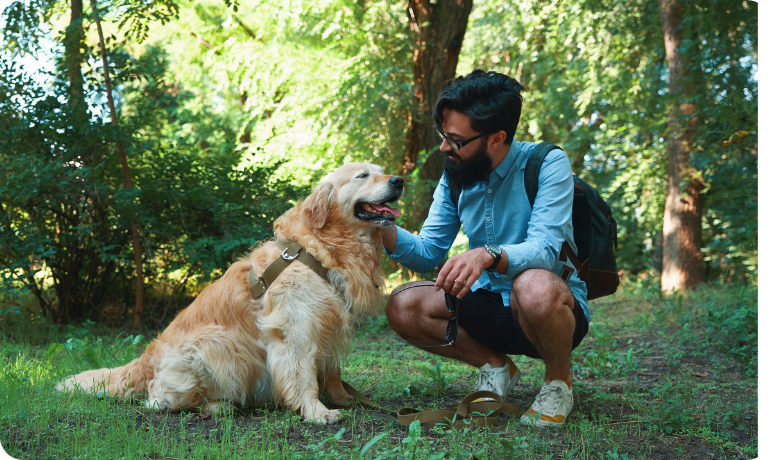
Training your dog is one of the most important aspects of pet ownership. Whether you’re raising a puppy or working with an older dog, proper training helps foster a well-behaved companion and strengthens your relationship. Let’s explore some essential dog training techniques that can benefit both you and your furry friend.
1. Positive Reinforcement: Reward-Based Training
One of the most effective methods in dog training is positive reinforcement. Rewarding your dog with treats, praise, or toys encourages them to repeat desired behaviors. Whether you’re teaching basic commands like “sit,” “stay,” or “come,” positive reinforcement helps dogs associate good behavior with pleasant outcomes.2. Consistency is Key
Consistency plays a crucial role in dog training. Make sure all family members use the same commands and reward system. Dogs thrive on routine, and clear, consistent instructions will help them understand what is expected.3. Basic Commands Every Dog Should Know
Some basic commands that every dog should learn include:- Sit: Helps your dog stay calm in various situations.
- Stay: Teaches patience and prevents unwanted movement.
- Come: Essential for safety and recall during walks.
- Heel: Encourages your dog to walk beside you without pulling.
4. Crate Training for a Calm and Safe Space
Crate training can help create a secure environment for your dog while also promoting positive behavior. It can prevent destructive habits and help with housebreaking. Remember to make the crate a positive space by rewarding your dog for going in and spending time there.5. Leash Training for Better Walks
Leash training ensures that walking your dog is a positive experience for both of you. Start by introducing your dog to the leash indoors, and gradually work up to outdoor walks. Reinforce calm, controlled behavior, and never allow pulling.6. Socialization: Introduce New Environments and Friends
Proper socialization is vital for a well-adjusted dog. Introduce your dog to different environments, people, and other dogs at a young age. This helps reduce anxiety and ensures your dog is comfortable in new situations.7. Addressing Behavioral Issues Early
Behavioral problems such as excessive barking, jumping, or aggression should be addressed early. Identify the cause, such as fear or boredom, and use appropriate training techniques to correct the behavior.8. Patience and Persistence
Training a dog requires time, patience, and persistence. Expect some setbacks, but always stay positive and keep working towards your goals. Remember, training is an ongoing process that helps reinforce good behavior throughout your dog’s life.Conclusion
Dog training is a rewarding process that improves your dog’s behavior and enhances your bond. By utilizing positive reinforcement, maintaining consistency, and addressing issues early, you can raise a well-behaved, happy companion.
Written by


Post Comment